
Hormonal Harmony Through Diet Foods for Every Phase of Your Cycle
Some weeks you feel clear, upbeat, and ready for anything. Other weeks, your energy dips, cravings get loud, and even simple choices feel harder. That shift isn’t “just in your head.” Your hormones naturally rise and fall across your menstrual cycle, and food can help you work with those changes instead of fighting them.
Think of hormonal harmony through diet as steady support, not strict rules. You don’t need a perfect meal plan. You just need a few foods that match what your body is asking for in each phase.
This guide is for general education, not medical advice. If your periods are very painful, very heavy, irregular, or suddenly different, it’s a good idea to check in with a healthcare professional.

Your cycle has four main phases
Your cycle starts on the first day of your period and ends the day before the next one begins. A “typical” cycle is often described as about a month long, but real bodies vary.
Here’s the simple version:
Phase | What’s happening | What food can support |
Menstrual phase | Your period begins and hormones are low | Iron-rich foods, warm meals, steady hydration |
Follicular phase | Energy often starts to rise | Protein, colorful plants, fresh meals |
Ovulation phase | Hormones peak around the middle of the cycle | Fiber, healthy fats, mineral-rich foods |
Luteal phase | The body prepares for a possible period | Slow carbs, magnesium-rich foods, calming meals |
You don’t have to change everything overnight. Start by noticing how you feel, then add one supportive meal or snack at a time.
Menstrual phase foods that help you feel steady
During your period, energy may be lower. Cramps, fatigue, and mood changes can show up too. This is a great time for warm, grounding meals that are easy to digest and rich in key nutrients.
Your body loses some iron through bleeding, so iron-rich foods can be helpful. Pairing them with foods that contain vitamin C helps your body use that iron better.
Good foods for this phase include:
Lentils, beans, beef, turkey, sardines, spinach, and tofu
Citrus, strawberries, bell peppers, and kiwi
Ginger, turmeric, and warm soups
Oats, brown rice, and potatoes for steady energy
Water, herbal tea, and broth
Meal ideas:
Lentil soup with carrots, spinach, and lemon
Oatmeal with berries, chia seeds, and almond butter
Turkey chili with beans and bell peppers
Tofu stir-fry with rice and broccoli
If cravings hit, don’t shame yourself. Try adding protein or fat to what you’re already craving. Chocolate with walnuts, yogurt with granola, or toast with peanut butter can feel comforting while keeping blood sugar steadier.

Follicular phase foods that match rising energy
After your period ends, many people feel lighter, clearer, and more motivated. Hormones begin to rise, and it can be a good time for fresh, colorful meals.
This phase is great for building balanced plates with protein, fiber, and plenty of plants. Protein helps repair and build tissues. Fiber supports digestion and helps carry used hormones out through regular bowel movements.
Foods to focus on:
Eggs, Greek yogurt, chicken, fish, tofu, tempeh, and beans
Leafy greens, asparagus, zucchini, carrots, and berries
Fermented foods like yogurt, kefir, sauerkraut, or kimchi
Whole grains like quinoa, oats, farro, and brown rice
Seeds, nuts, avocado, and olive oil
Meal ideas:
Egg scramble with spinach, mushrooms, and avocado toast
Greek yogurt bowl with berries, pumpkin seeds, and honey
Quinoa salad with chickpeas, cucumber, herbs, and olive oil
Chicken or tofu lettuce wraps with crunchy vegetables
This is also a nice time to prep food if you have the energy. Wash greens, cook a grain, make a sauce, or roast vegetables. Future you will be grateful when the luteal phase rolls in.
Ovulation phase foods that support balance
Around ovulation, some people feel more social, focused, or physically strong. Hormones are higher here, especially estrogen, which is one of the main cycle hormones.
This is a good time to focus on foods that support digestion and help keep energy smooth. Fiber-rich vegetables, enough protein, and healthy fats are your friends.
Try adding:
Salmon, sardines, eggs, chia seeds, flaxseeds, and walnuts
Broccoli, Brussels sprouts, cabbage, kale, and arugula
Avocado, olive oil, tahini, and nuts
Berries, apples, pears, and citrus
Mineral-rich foods like pumpkin seeds and shellfish
Meal ideas:
Salmon bowl with rice, cucumber, avocado, and sesame seeds
Big crunchy salad with chickpeas, cabbage, carrots, and tahini dressing
Smoothie with berries, spinach, flaxseed, and protein-rich yogurt
Sardines on whole-grain toast with lemon and herbs
One simple tip for mood and energy: don’t let meals get too light just because you feel good. A salad is great, but add protein, fats, and carbs so it actually carries you through the afternoon.

Luteal phase foods that calm cravings and mood swings
The luteal phase comes after ovulation and lasts until your period starts. This is the phase where pre-period symptoms often show up, like cravings, bloating, sore breasts, irritability, sleep changes, and lower energy.
Your body may need a little more food during this phase. That doesn’t mean you’ve “lost control.” It means your body is doing work.
Focus on slow-digesting carbs, protein, and foods rich in magnesium, a mineral that supports muscle comfort and relaxation.
Helpful foods include:
Sweet potatoes, oats, brown rice, quinoa, and whole-grain bread
Pumpkin seeds, almonds, cashews, black beans, and dark chocolate
Eggs, turkey, chicken, tofu, lentils, and Greek yogurt
Bananas, berries, apples, and oranges
Warm drinks like ginger tea or chamomile tea
Meal ideas:
Sweet potato bowl with black beans, avocado, salsa, and Greek yogurt
Oatmeal with banana, cinnamon, walnuts, and chia seeds
Turkey or lentil meatballs with pasta and roasted vegetables
Dark chocolate, strawberries, and almonds as an evening snack
For better mood, build meals around the “three-part plate”: protein, fiber-rich carbs, and fat. For example, rice, tofu, vegetables, and peanut sauce. Or toast, eggs, avocado, and fruit.

Small habits that make cycle eating easier
Food helps most when it fits real life. Keep it simple and flexible.
Try these cycle-friendly habits:
Track how you feel for one or two cycles Notice energy, hunger, mood, sleep, digestion, and cravings.
Keep easy proteins ready Eggs, yogurt, canned fish, tofu, beans, and rotisserie chicken can save a low-energy day.
Don’t skip carbs Whole grains, fruit, potatoes, and beans can support mood and energy.
Hydrate before caffeine Coffee is fine for many people, but water first can help with headaches and fatigue.
Plan softer meals before your period Soups, bowls, oatmeal, and sheet-pan dinners take less effort.
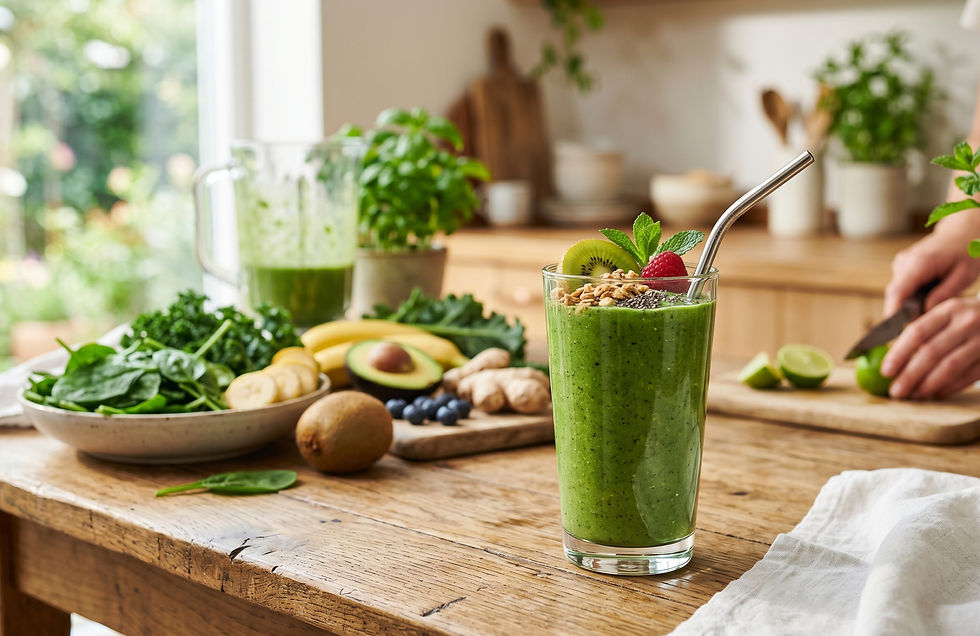
If your mood dips and you want a simple pick-me-up, try this Dopamine Boost Smoothie as an easy snack option to pair with a balanced day of meals.
Your cycle isn’t something to “fix.” It’s a rhythm you can learn. When you match your meals to each phase, you give your body steadier energy, better support, and a little more kindness along the way.

Comments