
What You Need to Know About Diet and Mental Health

Most people view a diet as a way to change their body shape, but the most direct impact actually happens inside the skull.
The brain is the hungriest organ in the body, consuming about twenty percent of all daily calories.
When you eat, you are essentially feeding your thoughts and emotions. Ignoring this connection is like trying to drive a high-performance car with watered-down gasoline and wondering why it keeps stalling.
Modern eating habits are often built for speed rather than brain support. We are surrounded by snacks that create a temporary high followed by a massive drop in energy, leaving the mind tired and irritable.
These fluctuations make it hard to maintain a steady mood, leading to a cycle of stress that feels impossible to break. When the body is busy dealing with artificial ingredients, it cannot effectively manage the chemicals that keep you feeling calm and focused.
Shifting the focus toward what the brain actually needs provides a direct way to influence your daily outlook. Instead of seeing food as just a way to stop hunger, you can see it as a set of instructions for your brain cells.
The Impact of Diet on Mental Well-being
Dietary choices act as the construction materials for your entire nervous system. The brain requires a constant supply of specific molecules to build its walls, send its signals, and repair itself. When you eat proteins, your body breaks them down into amino acids used to create neurotransmitters like serotonin and dopamine.
If your meals lack the protein needed to build these messengers, your brain effectively runs out of the ability to feel good. This physical shortage can manifest as a persistent low mood that is actually tied to your plate.
The balance of energy dictates your mental state from hour to hour. Your brain runs almost exclusively on glucose but has no way to store it. This means it depends on a steady stream of sugar from your blood.
Eating simple sugars causes a massive spike followed by a crash that leaves the brain starving, which often triggers feelings of panic or sudden sadness. This biological roller coaster is a frequent cause of irritability simply because your brain is out of gas.
The following nutrients serve as the foundational building blocks for maintaining high cognitive function and emotional stability:
Amino acids provide the raw materials for neurotransmitters that control your sleep and wake cycles.
Healthy fats build the protective coating around your nerves to speed up thinking.
B vitamins act as the spark plugs that help your brain cells turn food into energy.
Iron helps your blood carry oxygen to the brain, preventing heavy mental fog.
Complex fibers keep your blood sugar levels flat to prevent emotional spikes.
Antioxidants act as a shield to protect your brain cells from damage.
Long-term mental health is also tied to internal inflammation. When you eat processed oils and artificial colors, your immune system stays on high alert, creating internal swelling.
Choosing anti-inflammatory foods like leafy greens and fatty fish helps cool down this internal heat, allowing your brain to function without the interference of constant biological stress.
This shift in eating habits changes the physical environment of your head, making it easier to handle daily pressure.
Nutrients That Boost Your Mental Health
Focusing on specific nutrients allows you to target certain mental struggles with precision. Tryptophan is an amino acid that turns into serotonin, the main chemical responsible for keeping your mood stable.
If you find yourself lying awake at night with a racing mind, increasing your intake of seeds and turkey can provide the building blocks needed to settle your thoughts. By intentionally choosing foods high in tryptophan, you are giving your brain the tools it needs to manufacture its own natural calming agents.
Magnesium is often called the relaxation mineral because it helps block stress hormones that make you feel jumpy. Many people are low in magnesium because it is stripped out of food during processing. Adding pumpkin seeds and dark chocolate back into your routine can help quiet the nervous system.
A lack of magnesium often shows up as physical tension and a short temper, so replenishing this mineral can lead to a noticeable sense of physical and mental ease.
Incorporating these specific vitamins and minerals into your daily meals can significantly enhance your resilience against stress:
Vitamin D helps regulate the enzymes that create dopamine for reward and pleasure.
Omega-3 fatty acids improve the way your brain cells communicate with each other.
Zinc supports the part of the brain that manages emotions and reduces irritability.
Probiotics from fermented foods improve the health of the bacteria that talk to your brain.
Folate helps the brain process information faster and prevents mental fatigue.
Selenium helps lower the chance of feeling anxious during stressful times.
The connection between the stomach and the head is one of the fastest ways to change how you feel. Your gut produces about ninety percent of your body's serotonin. Eating fiber-rich vegetables feeds the "good" bacteria in your gut, which then send positive signals to your brain.
When your gut is healthy, it acts like a second brain that supports your mental health by sending a constant stream of "all clear" signals to your head.
Avoiding Poor-quality Diets for Better Mental Health
The biggest threat to a steady mental state is often the hidden ingredients in modern processed foods. High-fructose corn syrup and trans fats are designed to taste good but create a chaotic environment in the brain. These substances can cross the blood-brain barrier and cause disruptions in how your neurons talk.
A diet heavy in ultra-processed snacks essentially forces your brain to operate in a state of emergency, trying to manage chemical imbalances while also dealing with your daily tasks.
Sugar is a primary culprit in the rise of mood disorders. While it gives a fast burst of dopamine, it is quickly followed by a systemic crash. This cycle mimics addiction, where you need more sugar just to feel "normal" again.
Breaking the cycle of sugar dependency is often the single most effective step someone can take to clear their mental fog and stop afternoon mood slumps. This means being aware of hidden sugars in dressings and sauces that keep your brain on an exhausting ride.
Making small tactical shifts in what you consume can protect your nervous system from the negative effects of the modern diet:
Check labels for corn syrup, as these cause massive spikes in blood sugar and anxiety.
Replace white flour with whole grains to ensure a steady energy source.
Reduce caffeine in the afternoon to prevent it from interfering with brain repair during sleep.
Limit alcohol because it acts as a depressant that can lower your mood for days.
Drink enough water daily, as even minor dehydration can make you feel confused.
Watch out for artificial sweeteners linked to changes in brain chemistry.
Beyond what you eat, when you eat plays a role in your well-being. Skipping meals can cause your cortisol levels to rise, leading to a feeling of being "wired but tired. " Establishing a regular eating schedule helps your body stay in a state of safety, knowing that fuel is always on the way.
Additionally, eating with others can lower stress levels. These small adjustments turn eating into a reliable anchor for your day, providing the structure your mind needs to thrive.
Fueling a Healthier Mind
Mindfuel Smoothies was created to bridge the gap between delicious food and genuine brain support. We recognize that life is busy and finding the right balance of nutrients can feel difficult.
Our recipes are built around the specific amino acids and healthy fats that science shows are necessary for a healthy head. We focus on using real, whole ingredients that provide lasting energy without the crash associated with typical fast-food options.
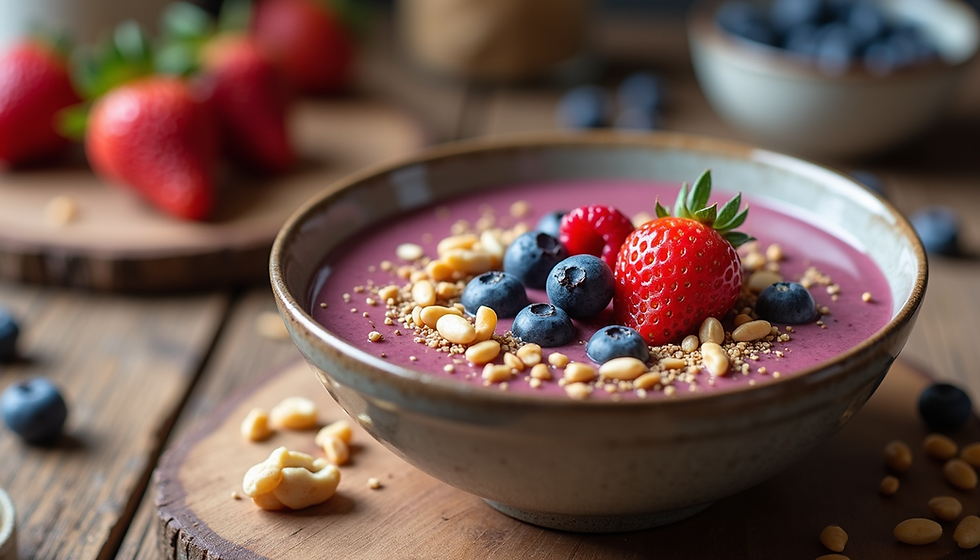
Our Dopamine Boost Smoothie is the perfect example of how a single choice can improve your entire afternoon. This blend is packed with ingredients like raw cacao that help your body naturally produce the chemicals responsible for focus and motivation. It provides a clean source of fuel that supports your brain’s chemistry without the use of artificial stimulants.
If you’re curious about how our various offerings can uplift your daily nutritional regime or have any specific inquiries, feel free to reach out at mstiffanycorbin@gmail.com or dial us at (224) 277-6205.


Comments