
The Best Ways to Balance Hormones for Women's Health
- Mar 10
- 6 min read

Hormones shape the way many women feel from one day to the next, often more than they realize. They influence energy, mood, sleep, appetite, skin, and the menstrual cycle, so when something feels off, the effects can show up in several places at once. A rough week of sleep, a period that suddenly changes, or a stretch of feeling unusually irritable can all be part of that picture.
That is why hormone balance tends to get more attention once symptoms become harder to brush aside. Many women start looking for support when they notice fatigue that lingers, cravings that feel stronger than usual, or cycles that seem less predictable. Those shifts can feel frustrating, especially when they do not have one clear cause.
The encouraging part is that hormone support does not have to begin with extreme changes. In many cases, steady habits make the biggest difference. Food, sleep, movement, hydration, and stress all play a role, and when those areas become more consistent, the body often responds in a steadier, more manageable way.
Understanding Hormonal Health for Women
Hormonal health for women involves far more than reproductive function. Hormones act as messengers throughout the body, helping regulate everything from metabolism and stress response to mood and sleep. Estrogen, progesterone, cortisol, insulin, and thyroid hormones each have their own jobs, but they also affect one another. When one area is under strain, the effects can spread.
A woman dealing with hormonal imbalance may notice changes that seem unrelated at first. Low energy, headaches, poor sleep, mood swings, digestive discomfort, skin flare-ups, and irregular periods can all point back to the same root issue. Instead of treating each symptom like a separate problem, it helps to look at the broader pattern. The body works as one connected system, so hormone health usually improves when daily routines support that system as a whole.
Life stage adds another layer. Puberty brings major hormonal shifts that affect physical development and emotional regulation. During the reproductive years, many women deal with PMS, cycle-related symptoms, fertility concerns, or conditions such as PCOS. Later, perimenopause and menopause can bring a different set of challenges, including hot flashes, sleep disruption, and noticeable mood changes.
Helpful clues can sometimes come from patterns around daily life, such as:
Changes that happen at the same point each month
Symptoms that get worse after poor sleep
Energy dips that follow long gaps between meals
Mood shifts during high-stress weeks
More discomfort after highly processed foods
Feeling better when routines are more consistent
These kinds of patterns are useful because they help connect symptoms to habits and timing. They also make it easier to spot where practical changes may help. Hormonal health is rarely about finding one perfect fix. It is about paying attention, supporting the body with better routines, and making choices that reduce strain over time.
Natural Ways to Balance Women's Hormones
Natural ways to balance hormones usually start with the areas that affect the body every single day. Sleep is one of the biggest. Hormones tied to hunger, stress, and recovery are all influenced by sleep quality, so a rough sleep schedule can quickly affect mood, cravings, and energy. Going to bed and waking up at similar times each day helps support a more stable rhythm, especially when it becomes a regular habit instead of a once-in-a-while effort.
Stress matters just as much. When stress stays high for too long, cortisol can remain elevated, and that can make everything else feel less steady. Some women notice it in their sleep. Others notice it in their digestion, skin, or cycle. Lowering stress does not require a perfect routine or hours of self-care. More often, it comes down to building a few repeatable moments into the day that help the nervous system settle.
Movement also supports hormone balance, but the type and amount matter. Regular exercise can help with insulin sensitivity, stress regulation, circulation, and mood. At the same time, too much intensity without enough recovery can leave the body feeling more taxed. Moderate, sustainable activity tends to work well because it supports the system without piling on more pressure.
Some practical approaches that pair well with sleep, stress support, and movement include:
Eating breakfast with protein instead of starting the day with only caffeine
Keeping snacks on hand to avoid long stretches without food
Spending a little time outdoors early in the day for light exposure
Scaling workouts based on energy levels across the month
Setting a cutoff time for work or mentally draining tasks in the evening
Drinking enough water before reaching for another coffee
These strategies help because they support the body in real-life conditions. They also make hormone support feel less abstract. Instead of trying to overhaul everything at once, you are building a routine that is easier to stick with and easier to adjust as your needs change.
Food plays a central role in that routine. Balanced meals that include protein, fiber, and healthy fats can support steadier blood sugar, which in turn helps with energy and mood. Whole grains, legumes, leafy greens, nuts, seeds, and healthy oils all bring something useful to the table. Consistency matters here too. Eating well once in a while is helpful, but eating in a way that keeps the body well-fueled most days tends to produce the better result.
Hormone-Balancing Smoothies and Juices
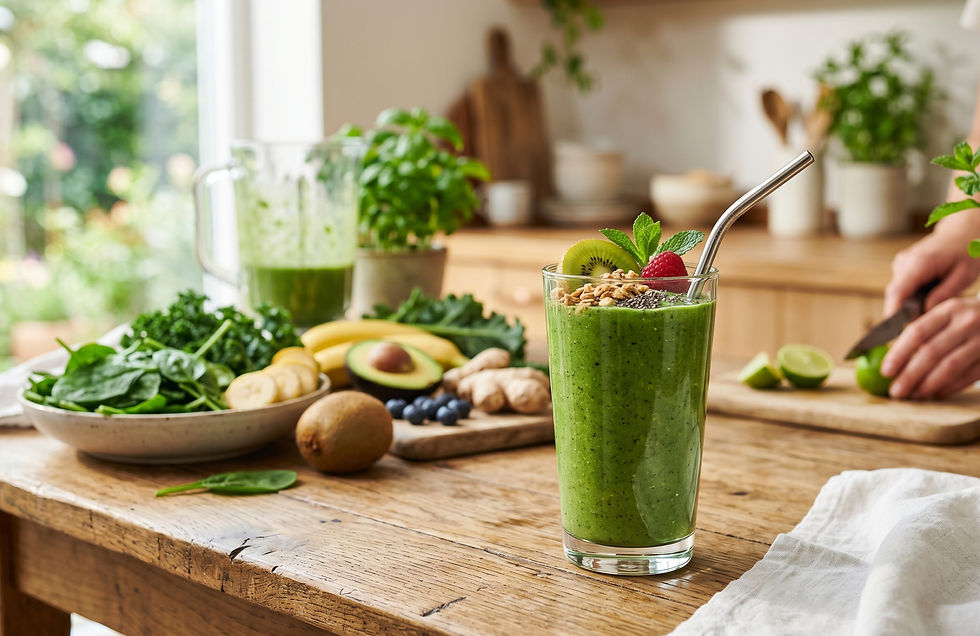
Hormone-balancing smoothies and juices can be a simple way to bring supportive ingredients into your day, especially when time feels tight. They are convenient, easy to customize, and often more realistic than preparing a full breakfast from scratch every morning. That said, the best smoothie for hormone support is one that is built to keep you satisfied, not one that sends blood sugar climbing and crashing an hour later.
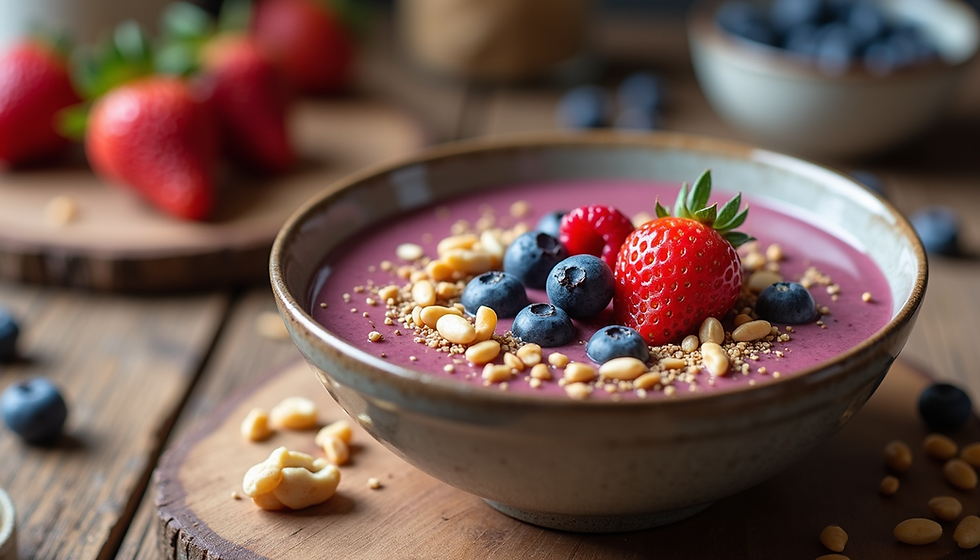
A more balanced smoothie usually includes several pieces working together. Leafy greens can add magnesium and other micronutrients. Berries bring antioxidants. Seeds, avocado, and nut butters contribute healthy fats and fiber. A good protein source helps the drink feel more like a real meal or solid snack. When those elements are combined well, smoothies become more than something quick to sip on the go. They turn into a practical way to support energy, satiety, and better daily nutrition.
Juices can also have a place, though they work a little differently. Because juice typically contains less fiber, it is often better used alongside meals or snacks rather than as a full replacement. Ingredients like ginger, citrus, cucumber, beets, and greens can still be useful, especially when the goal is variety and nutrient intake. The key is understanding what each option offers so you can use it in a way that supports your body rather than leaving you hungry soon after.
Smoothies and juices can also make it easier to include ingredients you may not use as often otherwise, such as:
Ground flaxseed for extra fiber and lignans
Pumpkin seeds for minerals that support overall wellness
Plain Greek yogurt for protein and a creamier texture
Cinnamon for flavor without added sugar
Frozen cauliflower for body without changing the taste too much
Fresh herbs like mint for a lighter finish
These additions work well because they expand your options without making the drink complicated. They also help keep your routine interesting, which matters when you are trying to make healthier habits last. A smoothie does not need to taste bland or feel overly strict to be supportive.
The most helpful approach is to think of these drinks as part of a broader routine. They work best when paired with regular meals, decent hydration, enough sleep, and a lifestyle that supports steadier energy overall. Used that way, they can be one of the easier and more enjoyable tools for women who want practical support for hormonal health.
A Daily Routine That Supports You Better
Building better hormone support often comes down to what fits your routine well enough to last, and that is where Mindfuel Smoothies can be a helpful addition.
Our Energy Lift Smoothie gives you a simple way to work more nutrient-dense, supportive ingredients into your day, especially when mornings are busy and convenience matters just as much as quality.
You can simply reach out to us at mstiffanycorbin@gmail.com or call us at (224) 277-6205 if you have any questions.

Comments